
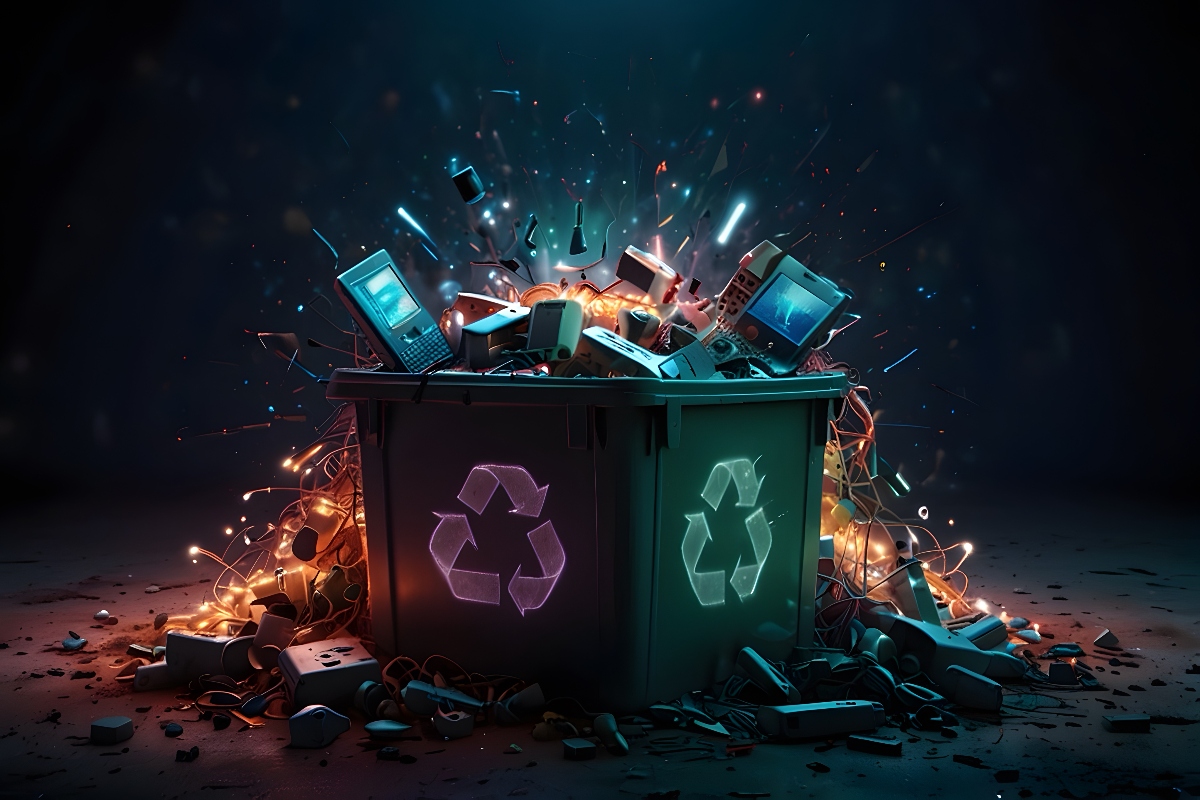

In 2026, waste management is undergoing a high-tech revolution, thanks to AI-powered solutions that are transforming trash into valuable resources. From urban recycling plants to remote industrial sites, artificial intelligence is helping companies sort, analyze, and repurpose materials more efficiently than ever, reducing environmental impact while unlocking economic opportunities. This approach, often called waste valorization, leverages computer vision, machine learning, and robotics to recover materials that would otherwise end up in landfills, demonstrating how AI can be both innovative and sustainable.
As global waste production continues to rise, the World Bank estimates 2.6 billion tons of municipal solid waste will be generated annually by 2030, AI is emerging as a critical tool for addressing the climate and resource challenges associated with this growth. Companies and cities are increasingly adopting AI-driven sorting robots, predictive recycling analytics, and smart logistics platforms to minimize waste, cut emissions, and increase the efficiency of recycling operations.
How AI is transforming recycling
Traditionally, recycling relied on manual sorting or mechanical separation, which often missed small, mixed, or contaminated materials. Today, AI-powered systems use computer vision and machine learning to identify, categorize, and extract recyclable materials automatically. Companies like Greyparrot have deployed optical recognition AI in urban recycling plants, achieving higher accuracy in sorting plastics, metals, and paper while significantly reducing labor costs.
Another example is robotic arms equipped with AI vision, capable of picking and separating individual items from conveyor belts at high speed. These systems can distinguish between subtle material differences that humans often miss, such as different types of plastics, composites, or electronic waste components. By doing so, AI increases material recovery rates and reduces landfill contributions, helping cities and businesses meet sustainability targets.
In 2026, new pilot projects in the United States and Europe are showing that these AI systems can recover up to 20% more recyclable material than traditional methods, while simultaneously reducing operational energy consumption.
Circular economy meets AI innovation
Waste valorization is a cornerstone of the circular economy, which emphasizes reusing and repurposing materials instead of letting them go to waste. AI enhances this concept by identifying high-value materials and predicting optimal reuse paths, turning what was once trash into feedstock for new products.
For example, AI systems can analyze e-waste to separate rare metals like cobalt, gold, and lithium, which are crucial for electronics and renewable energy storage. By automating this process, companies can recover valuable materials efficiently, reduce the need for new mining, and lower environmental footprints.
Beyond industrial applications, some startups are deploying AI to optimize residential recycling. Smart bins equipped with sensors and cameras can detect contamination, notify users, and improve sorting compliance. This combination of behavioral nudges and AI analytics increases recycling efficiency at the household level, proving that tech can help sustainability efforts from city halls to kitchen counters.
Real-world case studies in 2026
Hullbot: Reducing fuel use and marine waste
AI-powered robotics like Hullbot are tackling another type of environmental inefficiency: biofouling on ships. By cleaning hulls autonomously, Hullbot reduces drag, lowers fuel consumption, and prevents invasive species from spreading. Recent trials show up to 13% diesel savings, demonstrating that AI-driven robotics can cut emissions while delivering operational cost savings.
Greyparrot: AI sorting robots
Greyparrot’s AI-powered robots deployed in Europe and North America have revolutionized material recovery in urban recycling plants. By scanning and categorizing items in real time, these robots recover up to 87% of previously unclassified waste, dramatically reducing landfill contributions and improving recycling economics.
AI in food waste management
In addition to physical recyclables, AI is tackling organic waste, especially food. Predictive algorithms in large-scale kitchens and supermarkets forecast demand and optimize inventory, preventing edible food from going to landfills. In recent 2026 pilots, companies report reductions of over 80% in edible waste, translating into significant carbon footprint reductions.
Benefits beyond environmental impact
The adoption of AI in waste valorization is not just eco-friendly; it also delivers economic advantages. Businesses can recover valuable materials, reduce landfill fees, and optimize operations, while cities can decrease energy consumption, lower greenhouse gas emissions, and meet sustainability mandates.
Investors are taking notice: 2026 is seeing a surge in funding for AI climate tech startups, focusing on material recovery, renewable energy optimization, and circular economy solutions. Companies that integrate AI into waste management are being recognized as market leaders in sustainable innovation.
Challenges and the road ahead
While AI-driven waste valorization is promising, it’s not without hurdles. High upfront costs, technical complexity, and integration with existing waste management infrastructure can slow adoption. Additionally, AI systems consume energy themselves, so balancing operational efficiency with the carbon footprint of AI is essential.
Regulators and industry bodies are increasingly encouraging standards for sustainable AI, including energy-aware algorithms, efficient computing, and transparent environmental reporting. The 2026 trend shows that AI can be green both in its application and operation, creating a more sustainable technology ecosystem.
The future of AI-powered waste valorization
The future is promising. Emerging AI applications will combine predictive analytics, robotics, and IoT sensors to make waste processing more precise, faster, and environmentally friendly. By turning trash into resources, AI is helping industries, municipalities, and consumers close the loop on material use and make sustainability measurable and actionable.
As 2026 progresses, AI in waste valorization is not just a technology story, it’s a climate story, an economic story, and a human story. It demonstrates how thoughtful deployment of cutting-edge tools can redefine our relationship with materials, energy, and the planet.
Frequently asked questions
What challenges exist for AI in waste management?
High initial costs, infrastructure integration, and energy consumption of AI systems are key challenges.
Can AI itself be environmentally sustainable?
Yes, energy-efficient algorithms, green data centers, and carbon offsets can make AI operations greener.
How does AI improve recycling efficiency?
AI systems use computer vision and machine learning to identify, categorize, and separate materials more accurately than manual methods.
Related posts
SoftBank Bets US$ 5.4 Billion on ‘Physical AI’ With ABB Robotics Deal
Europe’s War on Greenwashing: What ESG Funds Must Prove from now on
