
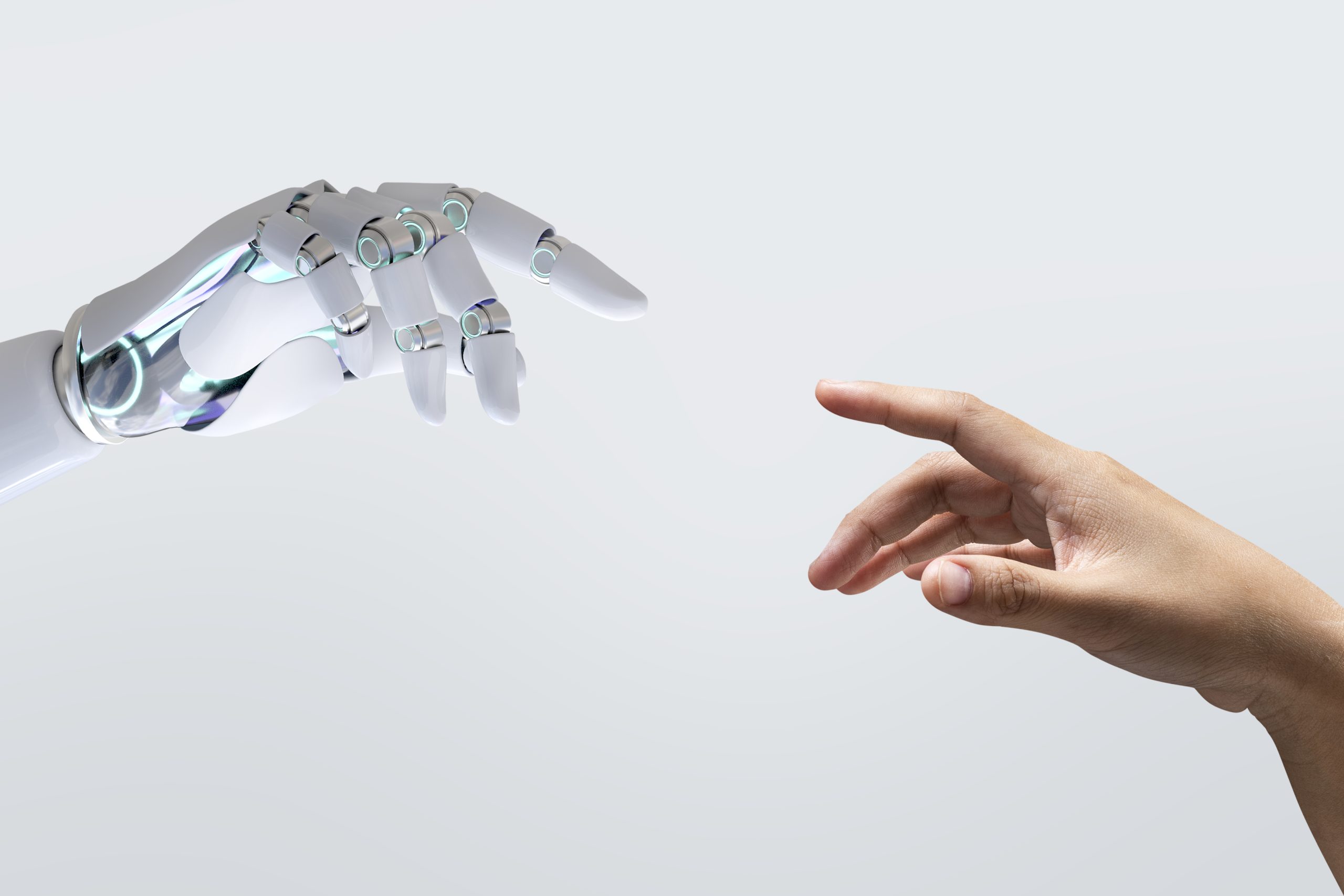

SoftBank has struck a definitive agreement to acquire the robotics division of ABB Group for US$ 5.4 billion, signalling a bold leap into industrial automation and “physical AI.” The deal, subject to regulatory approvals across key jurisdictions, is expected to close in 2026. Under the terms, ABB will abandon its earlier plan to spin off the robotics business as a separately listed arm.
The robotics unit employs around 7,000 people globally and in 2024 generated about US$ 2.3 billion in revenue—roughly 7% of ABB’s total turnover. Its operating margin that year stood at 12%, after a single digit drop in revenue from the prior year. ABB’s rationale for selling pivots on weak synergies with its core electrification and automation operations, and the underperformance of robotics relative to the rest of the group.
SoftBank’s move fits into founder and CEO Masayoshi Son’s renewed push toward AI-driven robotics. The group already holds stakes in robotics firms like AutoStore, and Son has publicly framed the future as “physical AI” — the fusion of artificial intelligence and robotic systems. The acquisition is widely viewed as a cornerstone in SoftBank’s strategy to cement its role at the intersection of hardware, software, and automation.
From ABB’s perspective, the sale unlocks substantial capital for reinvestment. The Swiss industrial group anticipates a pre-tax book gain of about US$ 2.4 billion (with projected separation costs and tax outflows factored in). CEO Morten Wierod has signaled that ABB is now free to redirect its focus toward electrification and automation, pursuing both organic growth and further acquisitions. Analysts note, however, that the valuation seems generous given the robotics arm’s recent revenue softness and declining margins.
But the broader industrial landscape provides compelling tailwinds. ABB’s parent business posted record orders in Q2 2025, driven by surging demand from US clients and data-centre builds tied to AI infrastructure. But in robotics, falling demand—particularly in Asia—has weighed on growth. By combining ABB’s hardware legacy with SoftBank’s AI-centric vision, the deal could reshape how industrial automation is financed, scaled, and deployed over the next decade.
