

It is not an easy task to navigate the cryptocurrency market in 2025. Assets range from established digital currencies to speculative meme coins, not to mention plain scams. Understanding the distinctions among these categories is crucial for investors aiming to navigate this volatile environment effectively.
Established Cryptocurrencies
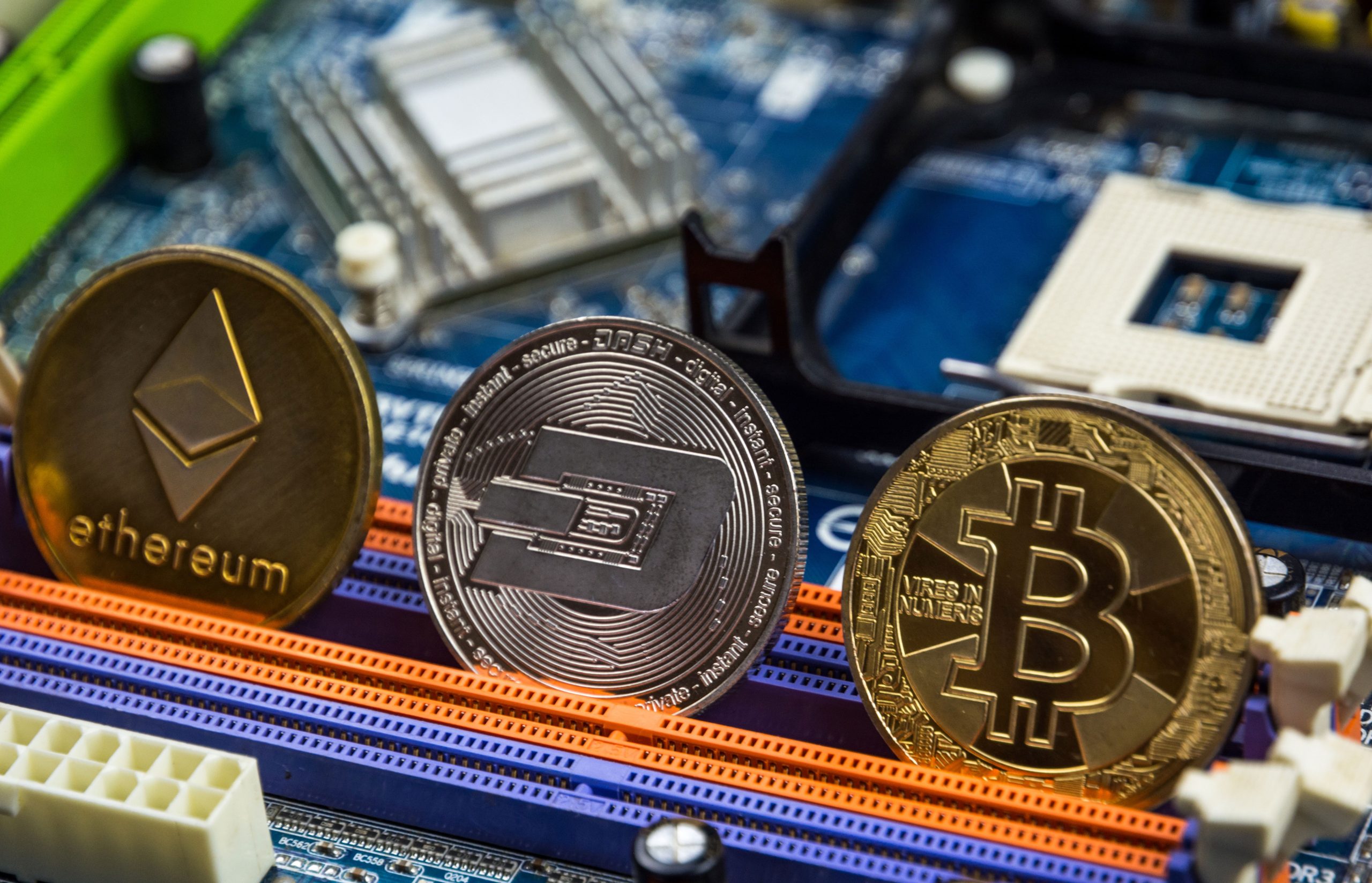
Bitcoin (BTC) and Ethereum (ETH) remain the most prominent cryptocurrencies, often considered by institutional investors for their relative stability and market capitalization. Bitcoin has recently surpassed the $100,000 mark for a short period, driven by increased institutional adoption and favorable regulatory developments under the Trump administration. Ethereum continues to be a foundational platform for decentralized applications, maintaining its significance in the crypto ecosystem.
Emerging Platforms
Recently, Solana (SOL) has gained attention for its liquidity and speed of transaction, lower fees, positioning itself as a competitor to Ethereum. However, it faces challenges, including regulatory scrutiny and the need to establish a more extensive developer ecosystem . Investors interested in emerging technologies may find Solana appealing, albeit with higher associated risks.
XRP, the native token of the Ripple network, stands out among emerging cryptocurrencies due to its focus on traditional finance infrastructure. Unlike projects such as Solana or Cardano (ADA), which target decentralized applications, XRP is designed to enable fast and low-cost cross-border payments between financial institutions—a niche with significant long-term potential.
After years of legal battles with the SEC, Ripple scored partial victories in 2023 that restored investor confidence. Still, XRP remains vulnerable to ongoing US regulatory developments and the pace of adoption by banks. For investors with a moderate risk profile and an interest in blockchain’s role in financial infrastructure, XRP could be a strategic bet—but one that requires close monitoring of legal and industry updates.
Meme Coins
Meme coins like Dogecoin (DOGE) and Shiba Inu (SHIB) have experienced significant price volatility, often influenced by social media trends and celebrity endorsements. While they have earned substantial attention, their lack of fundamental utility and susceptibility to market shifts make them speculative investments.
Considerations and challenges
Institutional investors and those seeking long-term growth may prefer established cryptocurrencies like Bitcoin and Ethereum, given their broader acceptance and infrastructure support. On the other hand, retail investors with a higher risk tolerance might explore emerging platforms like Solana or speculative assets like meme coins, understanding the associated volatility and potential for loss.
The regulatory environment continues to evolve, with recent developments indicating a more favorable stance towards cryptocurrencies in the US. However, uncertainties remain, particularly concerning newer assets and platforms, reinforcing the importance of staying informed about regulatory changes.
Navigating the cryptocurrency market requires a nuanced understanding of the various asset types, their underlying technologies, and the broader regulatory context. Investors should align their strategies with their risk tolerance and investment objectives, remaining vigilant in this rapidly changing landscape.
