
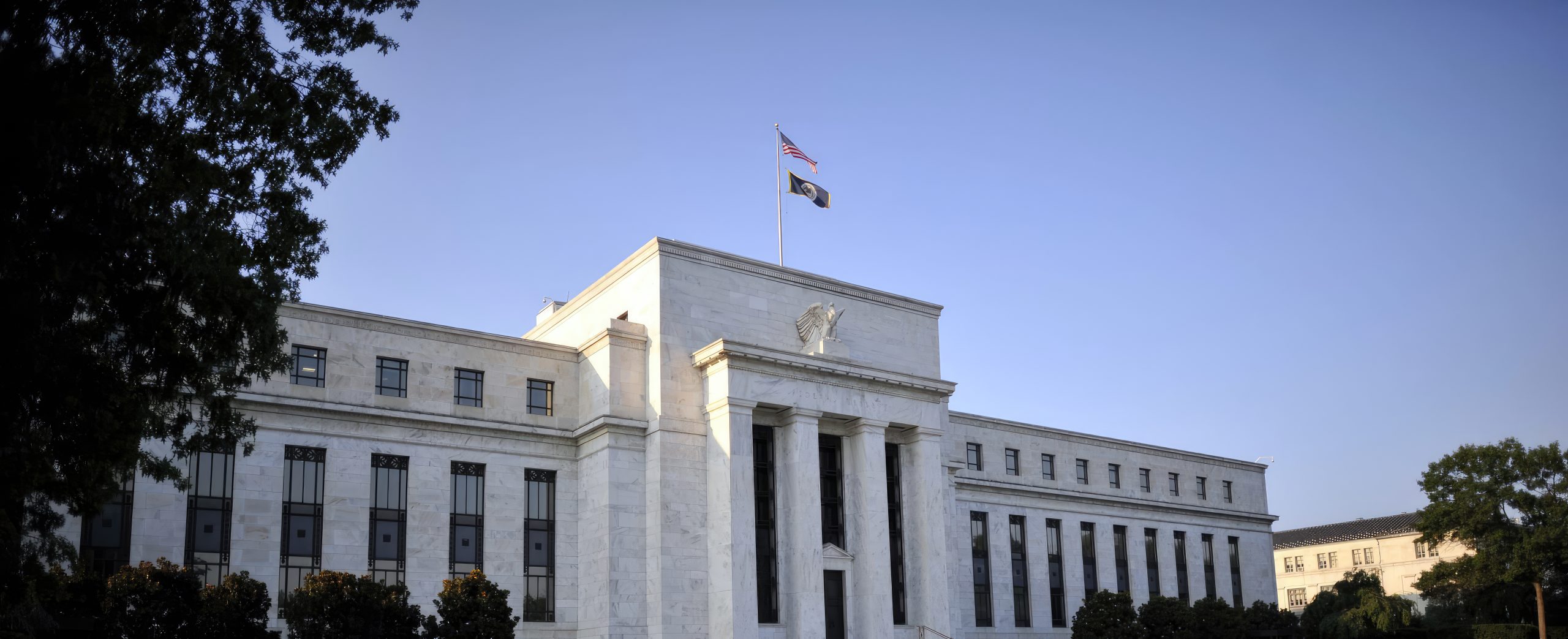

As the 2026 US presidential election looms, markets are already gaming out one of its biggest financial implications: the next chair of the Federal Reserve. With Jerome Powell’s term ending in early 2026, speculation is heating up, especially around what a second Trump administration could mean for the Fed’s leadership and monetary direction.
According to local media, Donald Trump and his advisers are actively vetting possible successors. Two names currently leading the shortlist are Kevin Warsh and Kevin Hassett. Warsh, a former Fed governor who served during the 2008 financial crisis, is viewed as a vocal critic of ultra-loose monetary policy. Hassett, an economist and former Trump economic adviser, is better known for his role in shaping the 2017 tax cuts and for generally favoring growth and lower rate policies.
Both candidates signal a potential pivot in the posture: from Powell’s diplomatic approach to a more assertively political stance on interest rates and inflation. Warsh has long argued that the Fed has been too reactive and slow to tighten policy. If appointed, he could push for preventive tightening to stay ahead of inflation, a stance that may appeal to conservative voters concerned about cost-of-living pressures.
Hassett, on the other hand, is more focused on aligning Fed policy with broader fiscal strategies. During his time in the Trump administration, he was a staunch advocate for lower interest rates to support economic expansion. While not as hawkish as Warsh, Hassett could be expected to pressure the Fed to lower interest rates if things slow down because of new trade rules or government restrictions.
Behind the scene
The political context matters. Powell, a Republican appointed by Trump but renominated by Biden, has walked a careful line between the White House and Wall Street. His tenure has seen unprecedented rate hikes to tame post-COVID inflation, which has since cooled to around 2.6% as of mid-2025, close to the Fed’s target. A new chair could either reinforce or reverse course, depending on how the economy unfold.
Wall Street is watching closely. Goldman Sachs analysts recently noted that a Warsh or Hassett appointment could increase market volatility, especially if it signals a break from the Fed’s independence or forward-guidance norms. “Markets are hypersensitive to political pressure on the Fed, particularly when inflation expectations remain unanchored”, their analysts wrote in a June 2025 report.
Bottom line: the next Fed chair won’t just shape rates, it will shape the global macro narrative. The outcome could redefine the balance between politics and policy at the world’s most influential central bank—for now.
